
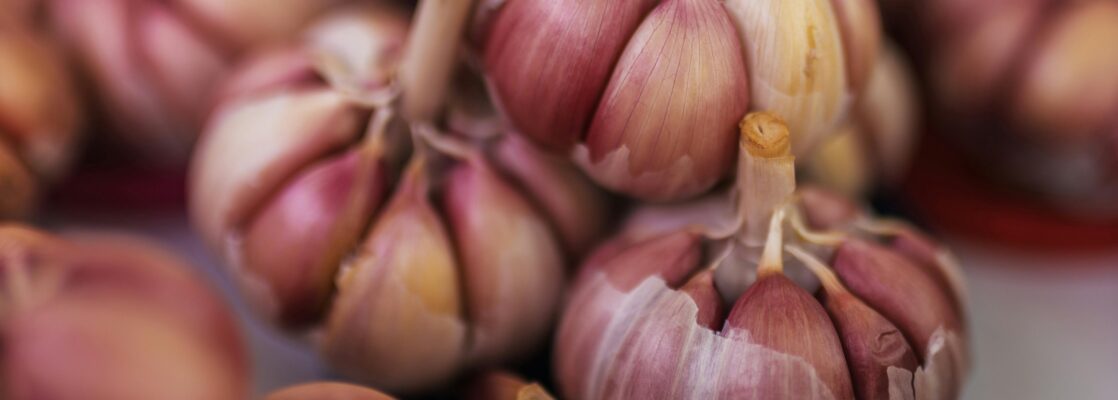
Garlic, with its pungent aroma and distinctive flavor, is a staple ingredient in many kitchens worldwide. For gardeners and garlic enthusiasts alike, growing garlic is a rewarding experience, but knowing when and how to harvest and store it effectively is crucial to preserving its freshness and flavor. In this post, we’ll explore the optimal timing for harvesting garlic, the proper techniques to do so, and the best storage methods to extend its shelf life.
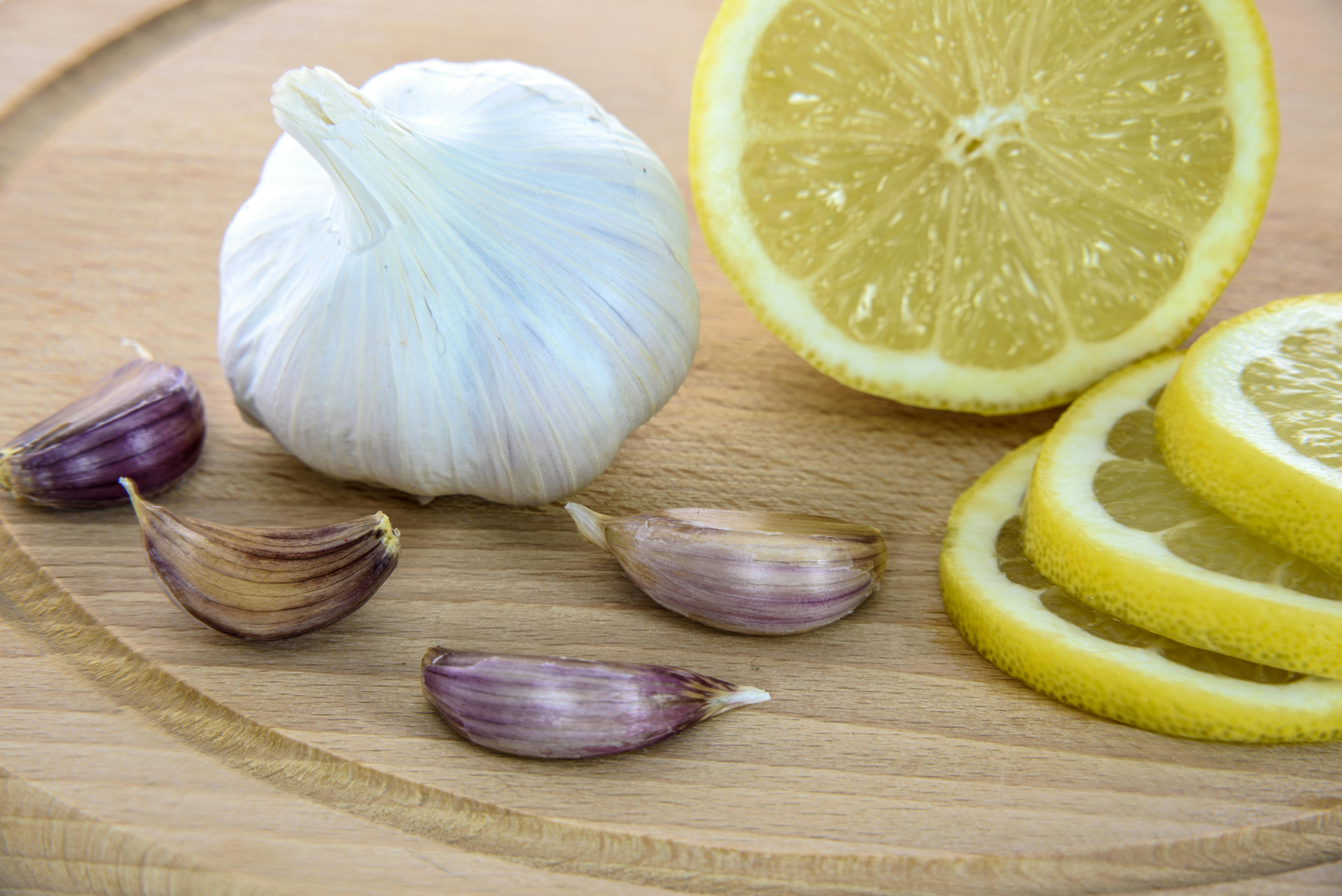
When to Harvest Garlic
Timing is everything when it comes to harvesting garlic. Most garlic varieties are ready to be harvested in mid to late summer, generally between July and September, depending on your climate and the planting time. A reliable sign that garlic is ready to be harvested is the yellowing and browning of the lower leaves while the upper leaves are still green. Typically, when you see about half to two-thirds of the leaves turning brown, it’s time to lift the bulbs from the soil.
Harvesting too early can result in small bulbs with underdeveloped cloves, while leaving garlic in the ground too long may cause the bulbs to split and lose quality. It’s essential to monitor your garlic closely as it approaches maturity.
How to Harvest Garlic
To harvest garlic, gently loosen the soil around the bulbs with a garden fork or spade, being careful not to pierce or bruise the cloves. Once loosened, pull the bulbs out by their stalks. Avoid tugging too hard to prevent damaging the garlic.
After harvesting, do not wash the garlic bulbs with water, as moisture can lead to mold and rot during storage. Instead, brush off excess soil gently but leave some soil intact to protect the bulb. Next, cure the garlic by hanging the bulbs in a well-ventilated, dry, and shaded area for 2 to 3 weeks. This curing process helps the garlic dry thoroughly, toughening the outer skins and enhancing its storage capabilities.
Storing Garlic for Longevity
Once cured, trim the roots close to the bulb and cut the stalks about an inch above the bulb if you prefer to store them loose rather than braided. Store garlic in a cool, dry place with good air circulation—around 60°F (15°C) with 60% humidity is ideal.
Garlic stored under these conditions can remain fresh for several months. Avoid storing garlic in the refrigerator, as the damp and cool environment can cause sprouting and mold growth.
If you have peeled or chopped garlic, it’s best to use it within a few days or preserve it by freezing or infusing it in oil, which should be stored in the refrigerator and used quickly to prevent the risk of botulism.
Final Tips
- Plant garlic cloves in the fall for a late summer harvest.
- Keep a gardening log to track planting and harvesting dates for your region.
- Regularly inspect garlic storage for any signs of mold or soft spots and remove affected bulbs immediately.
By mastering these harvesting and storage techniques, you can enjoy the rich flavors of homegrown garlic well beyond the growing season. Happy gardening!



One comment on “Harvesting and Storing Garlic Effectively: Master the Timing and Methods”
Alice
February 12, 2026 at 11:36 amThanks for these detailed tips! I always struggled with knowing when to harvest my garlic. I’ll definitely keep an eye on the leaves now.
MarkT
February 12, 2026 at 11:36 amGreat article! I recently started growing garlic, and curing was a mystery to me. Hanging them to dry seems easy, and judging by your advice, makes a big difference.
Sophie
February 12, 2026 at 11:36 amI appreciate the warning about storage conditions. I used to keep garlic in my fridge and it sprouted quickly. This post really helped me understand why!