
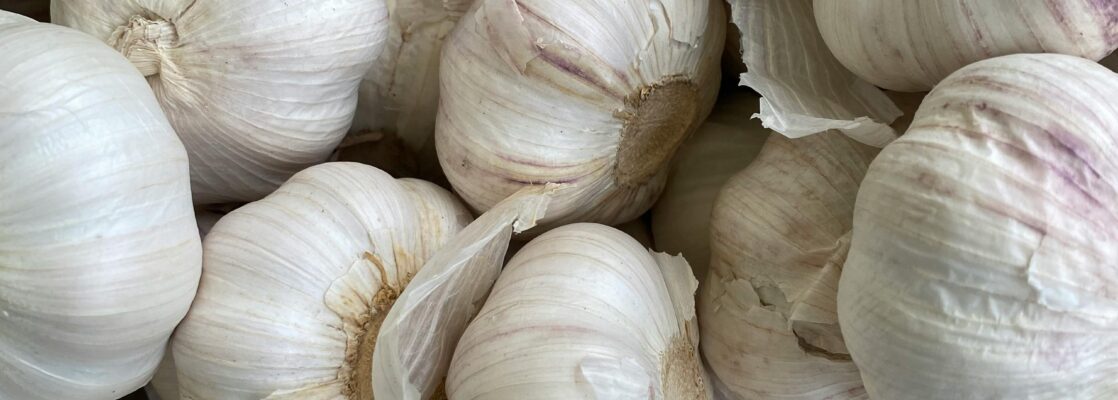
Garlic is a wonderfully versatile crop that can thrive in various climates and soil conditions, making it an excellent choice for both small-scale gardeners and large farms. Choosing the right garlic variety is key to maximizing your harvest and ensuring a flavorful and healthy crop. In this post, we will explore some of the best garlic varieties suited for different climates and soil types, helping you select the ideal garlic for your farm.
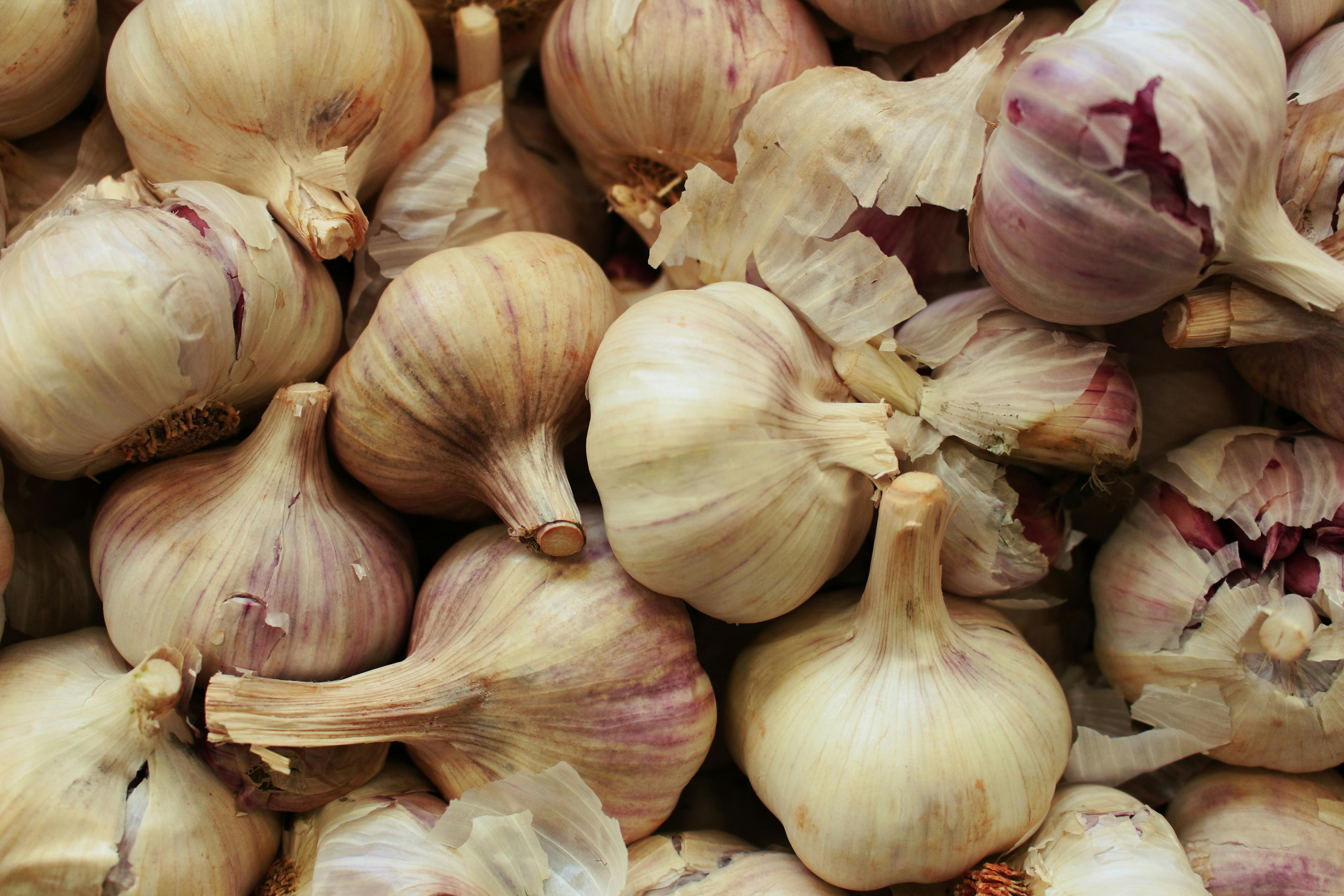
Understanding Garlic Types
Garlic generally falls into two main categories: Hardneck and Softneck. Each type has unique characteristics that make them better suited for certain environments.
Hardneck Garlic
Hardneck garlic varieties produce a stiff flowering stalk called a scape. They tend to have larger cloves and a more complex flavor profile. These varieties prefer cooler climates, typically with cold winters, which help them develop their taste and bulb size. Examples include ‘Rocambole,’ ‘Purple Stripe,’ and ‘Porcelain.’
Softneck Garlic
Softneck garlic lacks the stiff flowering stalk and usually has smaller cloves but a longer shelf life. These varieties thrive in warmer climates and are commonly grown in regions with milder winters. Popular types include ‘Silverskin’ and ‘Artichoke.’
Best Varieties for Different Climates
Cold Climates: If you live in an area with cold winters that freeze the ground, hardneck garlic varieties are optimal. For instance, ‘Rocambole’ is known for its robust flavor and adaptability to colder regions, making it a farmer favorite.
Warm Climates: Softneck garlic like ‘Silverskin’ is better suited for warmer weather and less pronounced winters. These varieties handle heat well and store longer, which can be advantageous if you aim for extended sales or use.
Moderate Climates: Areas with mild winters can grow either type, depending on your preferences for flavor and storage. ‘Purple Stripe’ offers a good balance of hardneck’s flavor and softneck’s adaptability.
Considering Soil Conditions
Garlic prefers well-drained soil with plenty of organic matter. Sandy loam soils are ideal, but garlic can adapt to a range of soils if properly amended. For heavy clay soils, incorporate compost and ensure raised beds to improve drainage as garlic bulbs are prone to rot in overly wet conditions.
Tips to Maximize Garlic Harvest
- Plant Early: Garlic planted in the fall before the first frost allows the bulbs to establish roots and form larger cloves.
- Proper Spacing: Space cloves 4 to 6 inches apart to allow enough room for growth and air circulation.
- Mulch: Applying organic mulch helps protect the crop through the winter and retains soil moisture.
- Frequent Monitoring: Be vigilant for pests such as onion thrips and diseases like white rot, using appropriate measures to keep your crop healthy.
By selecting the right garlic variety for your farm’s climate and soil, and by following sound cultivation practices, you can enjoy a bountiful garlic harvest that adds flavor and value to your farm produce.



One comment on “Top Garlic Varieties for Your Farm”
Emma
February 12, 2026 at 11:36 amThis article really helped me decide which type of garlic to plant in my cool region. Thanks for the clear distinctions between hardneck and softneck varieties!
Raj
February 12, 2026 at 11:36 amGreat tips on soil preparation! I was struggling with garlic bulbs rotting last year due to heavy soil, so adding compost and creating raised beds sounds like a perfect solution.
Clara
February 12, 2026 at 11:36 amI appreciate the detailed explanation about the different garlic types. I wasn’t sure if softneck garlic would grow well here, but now I feel confident to try it.
Marcus
February 12, 2026 at 11:36 amHas anyone grown ‘Purple Stripe’ garlic before? I’m interested to know how it compares flavor-wise to Rocambole.
Sophie
February 12, 2026 at 11:36 amPlanting in fall is key! I’ve had great results following this advice and my garlic bulbs are always big and flavorful come harvest.